


Do You Really Need to Update Your Home’s Replacement Cost? Here’s the Truth
- Dale Schlegel
- Mar 9
- 4 min read
When you first bought your home and signed your insurance policy, you probably looked at that "Replacement Cost" number and thought, "Yep, that sounds about right." But that was years ago. Since then, the world has changed, costs have climbed, and maybe you’ve finally finished that basement or added a deck.
At Tailored Insurance Solutions, we get this question all the time: “Dale, do I really need to mess with my replacement cost estimate? My home hasn't changed that much.”
The short answer? Yes. The slightly longer (and more important) answer is that sticking with an outdated number is one of the biggest risks you can take with your property. Let’s break down the truth about replacement costs, why they change, and how to make sure you aren’t left footing a massive bill if the unthinkable happens.
Market Value vs. Replacement Cost: The Great Confusion
One of the biggest misconceptions we hear is homeowners confusing "Market Value" with "Replacement Cost."
Market Value is what someone is willing to pay you for your home and the land it sits on. It fluctuates based on school districts, the local economy, and how many people are moving into your neighborhood.
Replacement Cost, on the other hand, is strictly what it would cost to rebuild your home from the ground up, on your existing lot, using materials of like kind and quality. This includes labor, debris removal, and current construction materials.
If the market crashes, your home’s value might drop, but the cost of the wood, nails, and plumbing to rebuild it usually keeps going up. That’s why your insurance coverage shouldn’t just mirror your Zillow estimate.
Why the "Price of Everything" Matters for Your Policy
We’ve all noticed that things are getting more expensive. In the world of Property and Casualty (P&C) insurance, this is a huge deal. Here’s what is actually driving up your rebuilding costs:
Materials: The price of lumber, steel, and even drywall can be incredibly volatile. If a major storm hits another part of the country, the demand for these materials spikes everywhere, driving prices up for everyone.
Labor Shortages: There are fewer skilled tradespeople entering the workforce. When builders are in high demand, their hourly rates go up. If your policy is based on 2018 labor rates, you’re going to be short-handed in 2026.
Code Changes: Building codes change. If you have an older home and it burns down, you can’t just rebuild it exactly how it was in 1950. You’ll need to meet modern electrical, plumbing, and structural codes, which adds significant cost.
Staying informed about these shifts is part of navigating the homeowners insurance market, especially as we see unpredictable shifts in construction trends.
The Danger Zone: The Underinsurance Problem
Did you know that over 65% of homes are underinsured?
Most of the time, this isn't intentional. It happens because homeowners "set it and forget it." They renew their policy every year without looking at the limits. If your home is insured for $300,000 but it actually costs $450,000 to rebuild today, you are facing a $150,000 gap.
In the event of a total loss: like a fire: that’s a life-altering amount of money to come up with out of pocket. Even for smaller claims, like frosty temperatures and frozen pipes that cause water damage, being underinsured can complicate how much the insurance company is willing to pay out for repairs.
Did You Renovate? Your Policy Needs to Know
If you’ve done any work on your home, your replacement cost is almost certainly out of date. We aren't just talking about massive additions, either. Common upgrades that bump your replacement cost include:
Kitchen and Bath Remodels: Granite countertops, custom cabinetry, and high-end fixtures cost more to replace than builder-grade materials.
Finished Basements: Adding living space increases the total square footage that needs to be covered.
Roof Upgrades: Switching to higher-quality shingles or metal roofing changes the math.
New Systems: Even upgrading your HVAC or adding a high-end fireplace can move the needle.
If you’ve put money into your home, make sure your insurance reflects that investment. You wouldn't want to pay for a luxury kitchen and then only receive enough insurance money to replace it with basic laminate if a claim happens.
How Often Should You Review?
We recommend a policy check-up every single year.
You don't always have to change your numbers, but you should at least have the conversation. A quick annual review with your agent allows you to adjust for inflation and any minor changes you’ve made to the property. It’s also a great time to check in on other maintenance items, like the importance of maintaining your chimney, which can prevent claims before they start.
Pro-Tip: Look for Inflation Guards
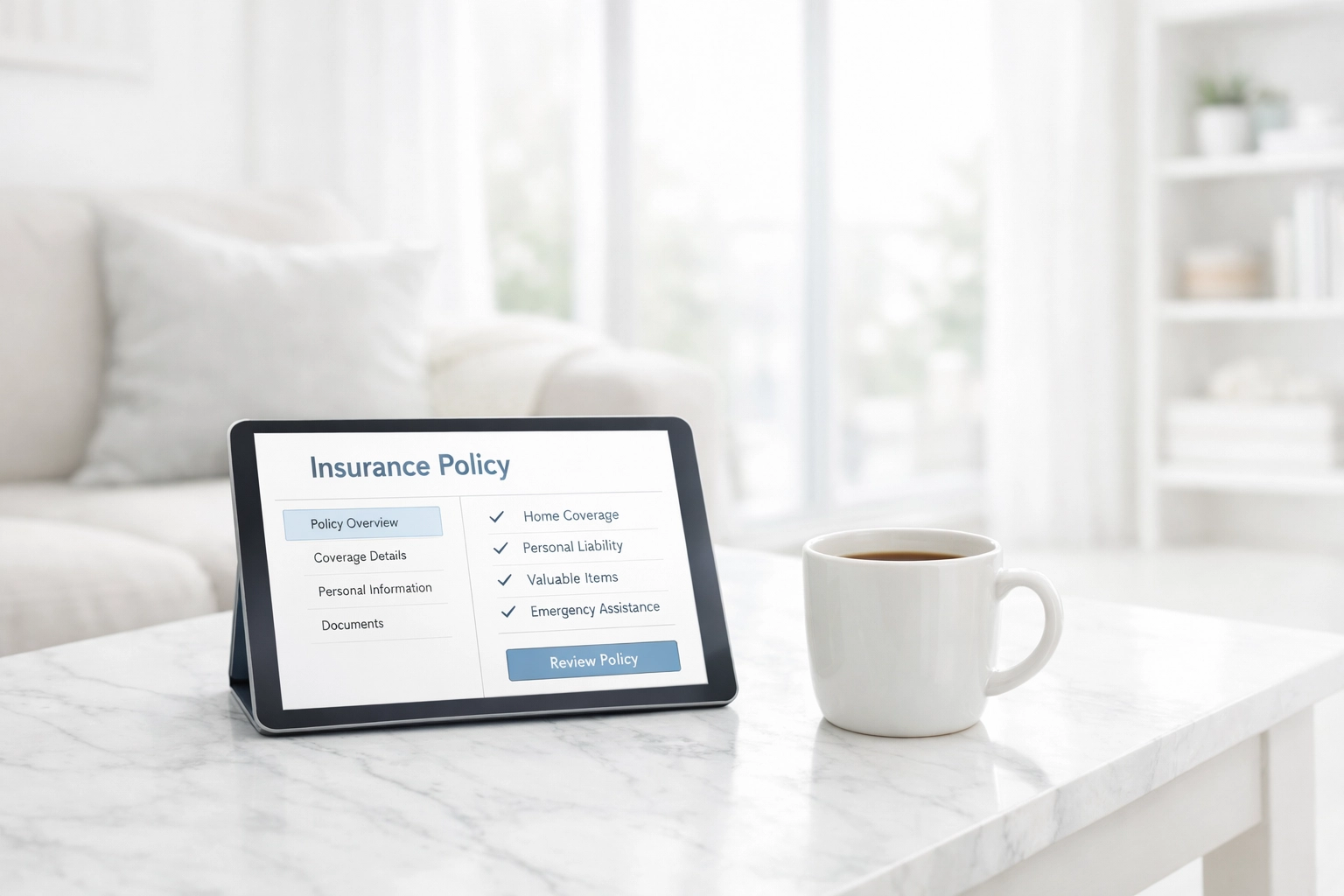
One way to keep your replacement cost from falling behind is to ensure your policy includes an Inflation Guard endorsement. This automatically adjusts your coverage limits slightly each year to keep pace with rising construction costs in your area. It’s a great safety net, but it’s still not a substitute for a real conversation with your agent about your specific home.
The Bottom Line
At Tailored Insurance Solutions, we believe in being proactive. We don't want you to find out your coverage is too low while you’re standing in your driveway looking at a pile of ashes. The "truth" is that your home is likely your most valuable asset, and protecting it requires a little bit of homework every now and then.
Updating your replacement cost isn't about the insurance company trying to charge you more; it’s about making sure that if the worst happens, you can actually move back into a home that looks and feels like the one you lost.
Ready to see where you stand?
If it’s been a while since you’ve looked at your policy limits, or if you’ve recently finished a home project, let’s chat. We’re here to help you make sense of the numbers and ensure your personal insurance is actually doing its job.
Contact us today for a quick review, or if you’re looking for a fresh start, you can get a quote right online. Let's make sure your home is protected for what it’s actually worth!